When dining in Hawaiʻi, the most memorable meals often share a common thread: ingredients that could only come from this place. Along the Kona Coast, a quiet but powerful ecosystem is shaping what appears on menus across the islands, one rooted not in trends, but in deep ocean science, place-based innovation, and centuries of relationship with the sea.
At the center of this story is Hawaiʻi Ocean Science and Technology Park (HOST Park), an ocean innovation hub located just south of the Kona International Airport at Keāhole Point. While largely unknown to most visitors, HOST Park is where deep ocean water, advanced aquaculture, and food innovation intersect, supplying Hawai’i’s chefs with their most distinctive and sustainable ingredients.

A Hidden Food System Beneath the Surface
What makes HOST Park extraordinary begins offshore. Right offshore, the ocean floor drops steeply, allowing access to cold, clean seawater drawn from depths of up to 3,000 feet through dedicated pipelines. This deep ocean water has been isolated from surface activity for centuries, making it naturally cold, nutrient-rich, and exceptionally pure.
That resource powers an entire food system, supporting aquaculture, seaweed cultivation, and mineral-rich products that now appear in high-end restaurants, resort kitchens, and specialty food shops across Hawaiʻi.
Ingredients You’ll See on Menus sourced from HOST Park

If you’ve dined on the Kona or Kohala coasts, you may already have tasted HOST Park without realizing it. Ingredients originating here often include:
- Hawaiian Kampachi – A pristine, sashimi-grade fish prized by chefs for its clean flavor and buttery texture.
- Abalone – Sustainably farmed shellfish, grown in cold, mineral-rich deep ocean seawater and featured in refined island dishes.
- Seaweeds (Limu) – Including ogo, sea grapes, sea lettuce, and other edible algae increasingly used fresh in salads, poke, and modern Hawaiian cuisine.
- Blue Green Spirulina – Rich in antioxidants and plant-based protein, it’s commonly added to smoothies for a natural energy boost.
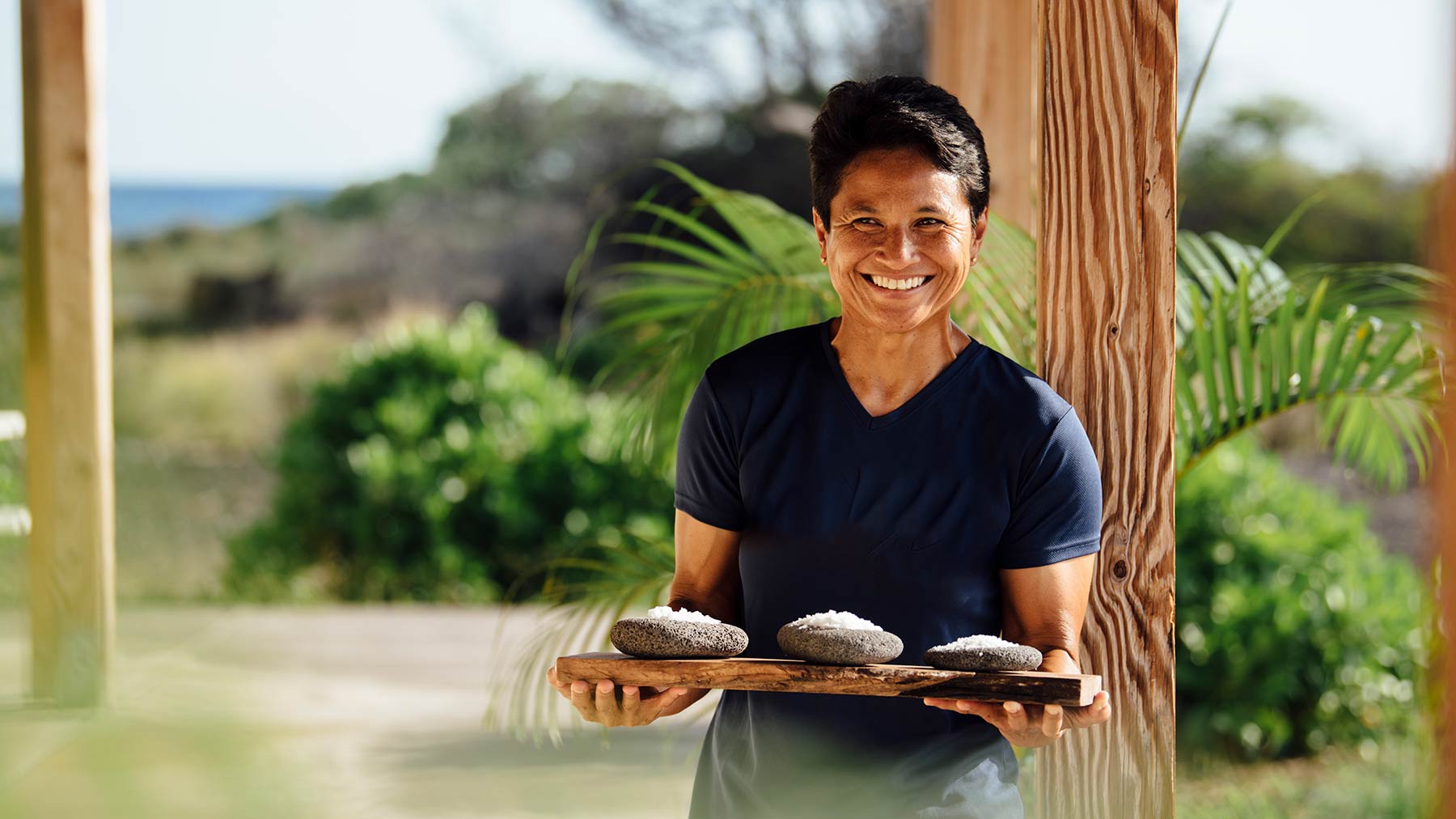
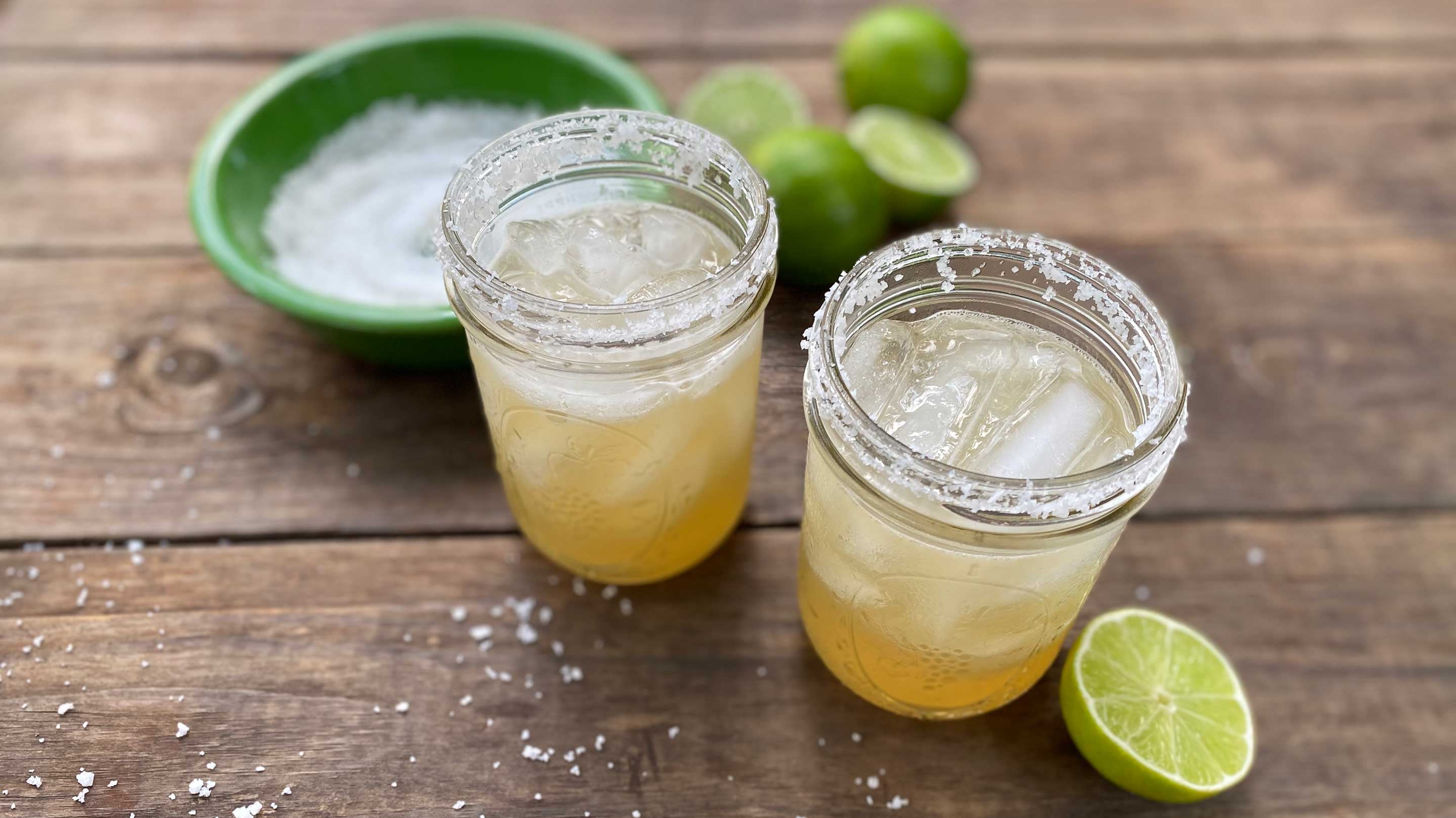
- Deep Ocean Sea Salt – Hand-harvested using traditional solar evaporation methods, carrying a mineral profile shaped by deep ocean water rather than surface seawater.
- Tofu made from Nigari - sourced from Deep Ocean Water, Nigari is used by local Tofu Factories here in Hawaii.
- Limu Kohu– A local seaweed added to cattle feed to reduce methane emissions by up to 90%.

These are not imported novelties. They are ingredients born of Hawaiʻi’s unique geography, science, and stewardship, foods that tell a story of place.
Where Visitors Can Experience It Firsthand: Kona Salt Farm

For travelers curious about where these ingredients come from, the Kona Salt Farm offers one of the only public entry points into this largely unseen world. Book your Tour
Set on a dramatic lava field overlooking the Pacific, the Kona Salt Farm is a working sea salt operation that transforms deep ocean water into culinary salt, magnesium, and electrolyte products through solar evaporation. A visit allows guests to:
- Learn how deep ocean water is brought onshore and used across HOST Park
- Taste multiple varieties of authentic Hawaiian sea salt
- Understand how mineral-rich ocean water shapes flavor and nutrition
- Discover how science, culture, and sustainability come together on Hawaiʻi Island
For many visitors, the salt farm becomes the first place they hear about HOST Park—and the moment they realize that some of the most interesting things on local menus originate from just beyond the shoreline.

Why This Matters to Hawaiʻi’s Food Story
HOST Park represents a different model for food systems, one that is local, science-driven, and deeply tied to Hawaiʻi’s environment. Instead of importing ingredients or extracting resources, it uses what makes this coastline unique: deep ocean access, clean water, and a commitment to long-term stewardship.
When you see kampachi, abalone, limu, or Kona sea salt on a menu, you are not just tasting a dish. You are tasting an ecosystem, one that connects the deep ocean to the plate.